
Why Do Behavioral Issues Happen?
Every dog is unique, shaped by a mix of genetics, environment, and experiences. Behavioral problems can stem from a combination of these factors:
- Genetics: Traits inherited from their parents.
- Previously undiagnosed health problems such as: pain, metabolic / endocrine disorders, or neurological conditions.
- Breed Characteristics: Specific tendencies tied to their breed.
- Individual Personality and Temperament: Each dog has its own unique nature.
- Early Nurturing: Quality of care and socialization while with momma dog + littermates and by the owner of the momma dog / breeder.
- Life Experiences: Interactions with people, dogs, and environments.
- Socialization: The timing, quality, and quantity of exposure to the world.
- Age of Separation: When they left their litter and mother.
- Emotional Dysregulation: Many dogs today have difficulty regulating their emotions whether stemming from fear, trauma, over-stimulation as a young puppy, or lack of training in impulse control, to name a few.
Behavior is also influenced by ongoing life experiences, making early intervention crucial. Left unchecked, problem behaviors can become entrenched and more difficult—or even impossible—to correct.
Common Behavioral
Problems We Address
At WDU, we help with a wide range of behavioral challenges, including but not limited to:
- Possessiveness: Food or toy guarding.
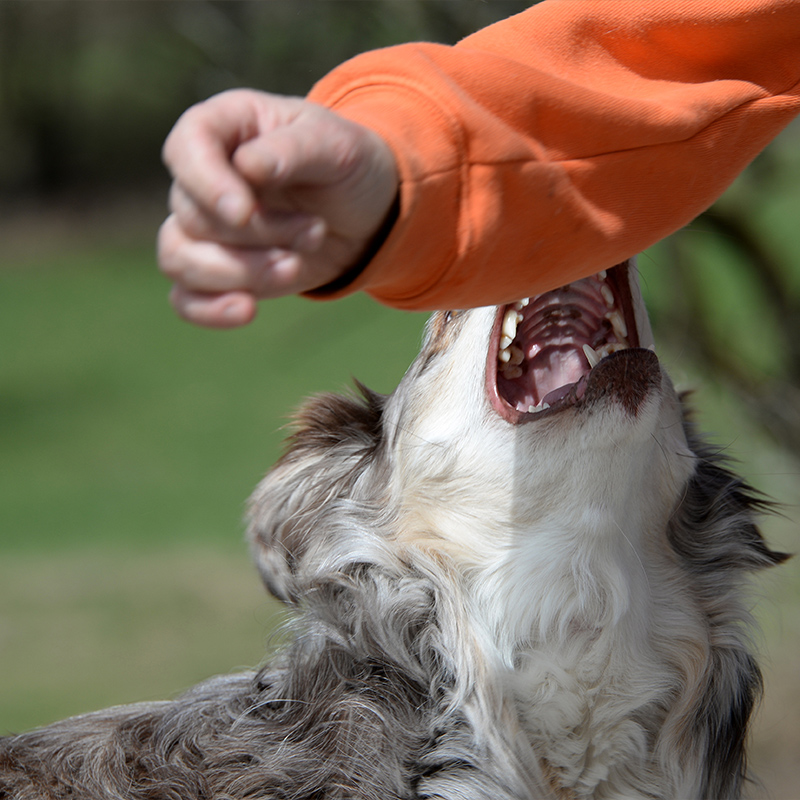
- Play Issues: Biting, nipping, or rough play with humans.
- Leash Behavior: Pulling or reactivity.
- Household Challenges: Chewing, digging, marking, or housebreaking issues.
- Hyperactivity: Excessive energy and inability to settle.
- Fears and Anxiety: Separation anxiety or fear-based behaviors.
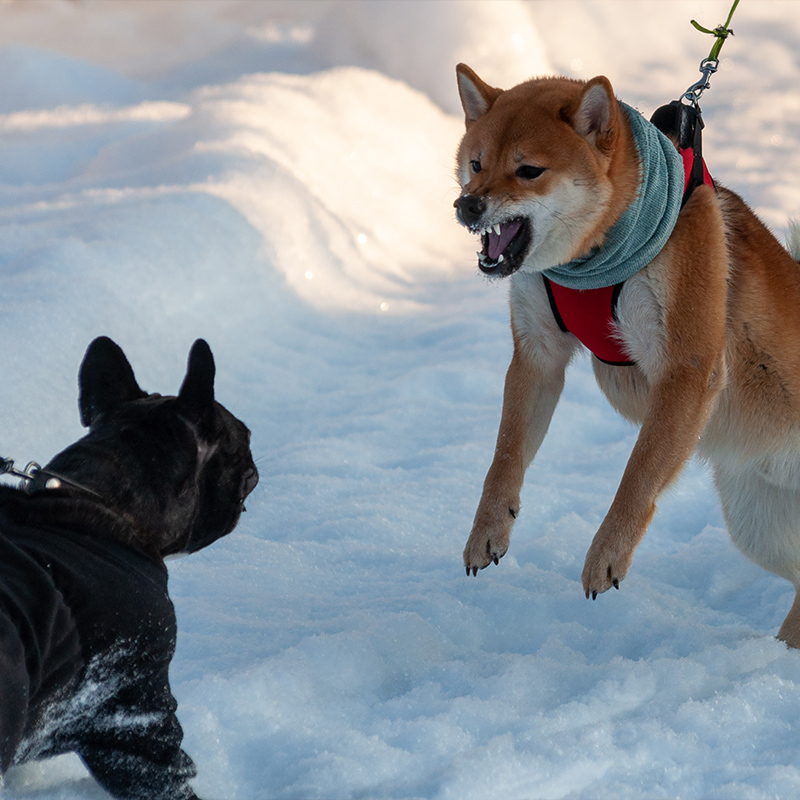
- Social Aggression: Aggression toward other dogs or strangers.
- Guest Behavior: Jumping up or inappropriate interactions with visitors.
- Emotional Dysregulation that leads to inappropriate behavior / choices.
- Other Issues: Begging, not listening, or eating too fast.
Our Approach to Behavior Modification
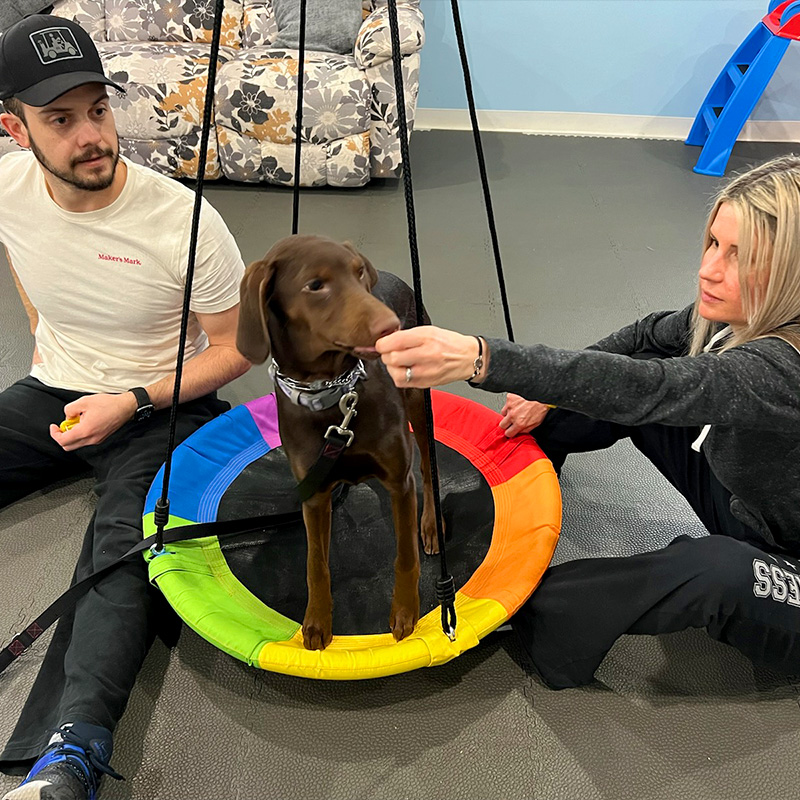
At WDU, we focus on the whole dog—considering all aspects of their environment, history, and temperament. Our philosophy is to address the root causes of the behavior rather than just the symptoms.
Step 1: Comprehensive Consultation
We begin with a one-on-one consultation to learn about you and your dog. This process often involves some detective work to identify the underlying causes of the behavior and understand its context.
Step 2: Customized Plan
Once we’ve gathered the necessary information, we develop a tailored behavior modification plan to address the issue. This plan is designed to:
- Correct the unwanted behavior where possible.
- Manage behaviors that cannot be fully corrected.
- Foster a better understanding of your dog’s needs and perspective.
Step 3: Collaboration
Behavior modification is a team effort. Together with you—and in some cases, your veterinarian—we work toward a reasonable and effective solution.